Do I Need a Sump Pump? Basement and Crawl Space Check
Do you need a sump pump? Pick your foundation and any past water problems for the basement or crawl space risk and what a plumber checks.
The results on this page come from public data and general rules of thumb, applied to what you entered. They can be wrong or out of date, and they may not fit your home. They are not professional advice, an inspection or an offer of service. Before you act on anything here, check it with a licensed pro or the agency named on the page. Any decision you make is your own, and we are not responsible for losses from relying on these results.
Data: your own answers on rain and soil; rainfall (Daymet, NASA/ORNL 2015 to 2024) and mapped soil (USDA NRCS SSURGO) when a town is named · InterNACHI life-expectancy chart · Updated September 2026
How to tell if a basement needs a sump pump
Rainy seasons, snowmelt and groundwater
Groundwater rises after the rainiest months of the year and after snowmelt. That is when footing drains carry the most water and sump pumps run the most. The checker counts how wet your area is, from measured rainfall when your town is named or from your answer when it is not.
How soil and the water table change the risk
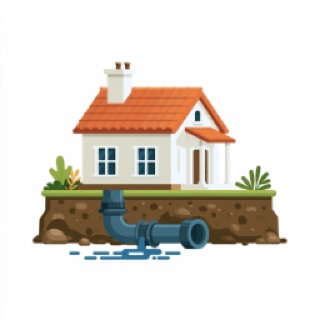
Sandy ground lets water drop away from the foundation. Clay and poorly drained soils hold it against the walls, and a seasonal water table close to the surface can push water up through the floor. USDA soil surveys map both the drainage class and the water-table depth, and the result shows them when your town is named.
Grading, downspouts and roof water at the foundation
A roof sheds hundreds of gallons in a heavy storm. When downspouts end at the foundation or the ground slopes toward the house, that water soaks in right against the wall. Better grading and longer downspouts can cut how much water reaches the foundation, with or without a pump.
When a sump pump needs a battery backup
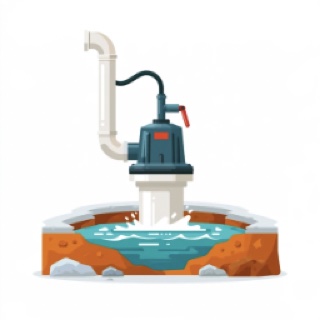
A battery backup is a second pump on its own battery that takes over when the power goes out or the main pump fails. This checker brings it up when the water risk is high, or when it is moderate and the space is a basement. A plumber can tell you how long a given battery will run the pump.
Sump pump questions
Does every basement need a sump pump?
No. Some basements on well-drained ground, with good grading and no history of water, go without one. A basement in wet soil, with a high water table or with past water is where a plumber expects to find one and checks that it works.
What are the signs a basement needs a sump pump?
Water or damp patches after heavy rain, musty air, and rust on metal near the floor. If you see any of them, a plumber should look at the drainage.
How long does a sump pump last?
About 7 to 10 years, less in a pit that runs constantly because of a high water table. A pump that cycles a lot deserves a yearly check.
Does a crawl space need a sump pump?
It can. A crawl space in wet ground can hold standing water under the house, which shows up as musty rooms, damp soil and rusted ductwork. A plumber can size a pit and pump for the space and may pair it with a vapor barrier and drainage.
Where does a sump pump discharge?
To the yard or a storm drain, well away from the foundation. Local rules generally keep sump water out of the sewer, so a plumber checks where yours goes and whether it meets the local code.